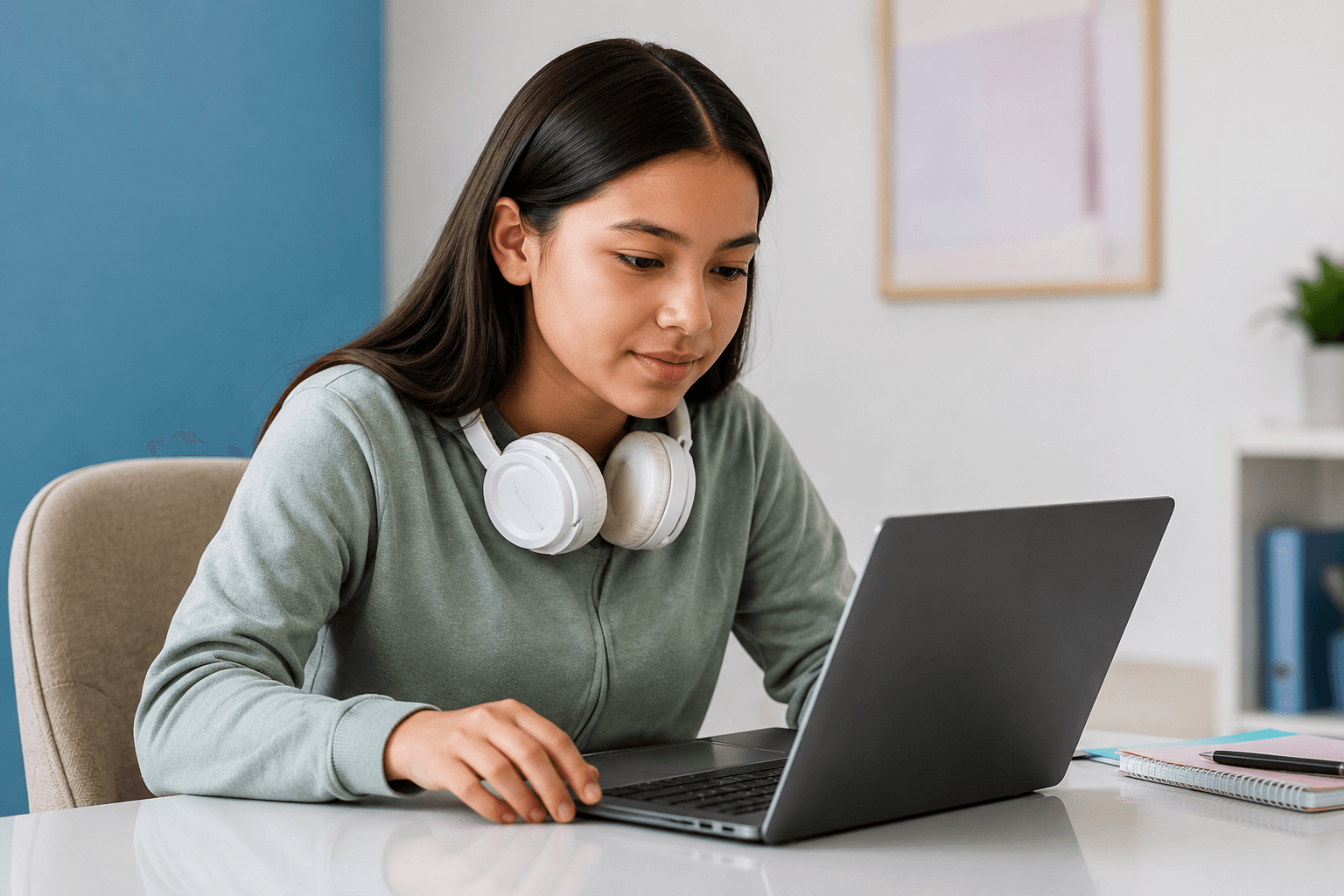
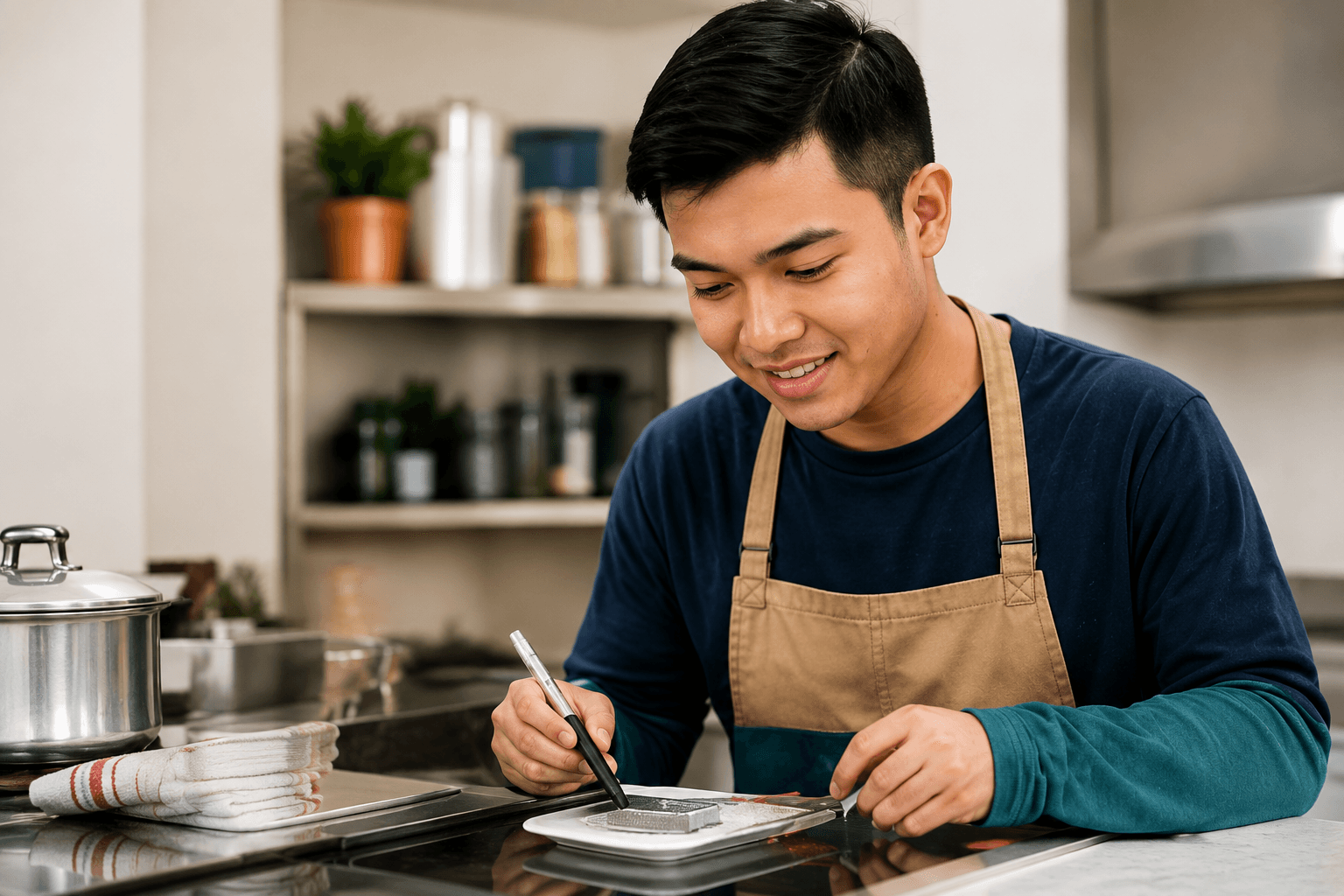
Building confidence through play, movement, and meaningful everyday experiences.
Ages 3-7
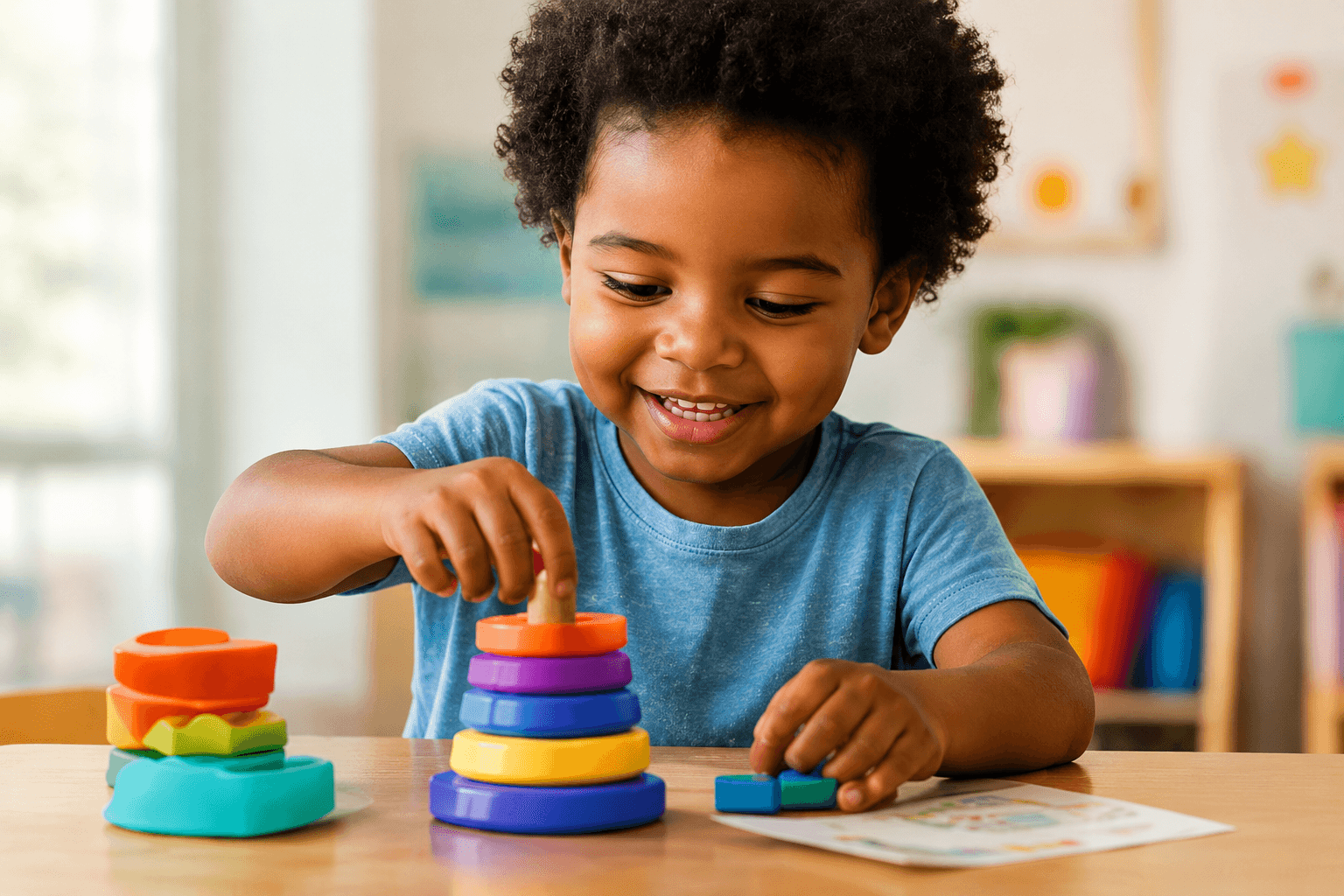
The Kids Program at Ava's Hub uses play-based occupational therapy to help young children build confidence, regulation, motor skills, and everyday independence. Through movement, sensory play, fine motor activities, self-care practice, and social participation, children work on real-life skills in a way that feels fun, supportive, and meaningful.
In-Network With
We proudly accept:
What We Work On
Play-based care that supports everyday confidence and participation.
Fine Motor Skills
Fine motor skills are the small movements we make using our hands, fingers, wrists, and eyes together to complete everyday activities. These skills allow children to manipulate objects, hold utensils, fasten clothing, build with toys, color, cut with scissors, use school tools, and participate more independently in daily routines.
How this may look
Difficulty holding crayons correctly
Challenges opening containers, using utensils, or buttoning clothing
Avoiding tasks that require using both hands together
Tiring quickly or becoming frustrated during hand-based activities
How Ava's Hub helps
At Ava's Hub, we use meaningful, play-based occupational therapy activities to strengthen these foundational skills in ways that feel motivating rather than frustrating. Sessions may include obstacle courses, crafts, grasp development, bilateral coordination games, dressing activities, cooking activities, and sensory-rich experiences.
Rather than practicing isolated exercises repeatedly, we focus on helping children develop fine motor skills through real-life activities that connect directly to everyday success.
Sensory Processing
Sensory processing refers to how the brain receives, organizes, interprets, and responds to information from the environment and the body. Children constantly process sounds, movement, touch, textures, visual information, body awareness, and many other sensations throughout the day.
How this may look
Overwhelm with clothing textures, foods, noise, or busy spaces
Difficulty with transitions, attention, or emotional regulation
Seeking constant movement, touch, or input
Avoiding certain everyday sensory experiences
How Ava's Hub helps
At Ava's Hub, we help children better understand and respond to sensory experiences through movement-based activities, sensory play, regulation strategies, obstacle courses, heavy work activities, visual supports, and structured routines.
Our goal is not to eliminate sensory differences. We help children develop strategies, confidence, and participation so sensory experiences feel more manageable.
Developmental Play
Play is one of the primary ways young children learn. Through play, children develop problem solving, creativity, communication, emotional regulation, motor skills, social interaction, and confidence.
How this may look
Limited pretend play
Difficulty engaging with toys appropriately
Rigid play patterns or frustration during play
Challenges playing with peers
How Ava's Hub helps
At Ava's Hub, we use play intentionally to support growth. Therapy sessions may include pretend play, sensory activities, movement games, social games, building activities, imaginative play scenarios, crafts, and structured challenges.
We believe children learn best when therapy feels meaningful and enjoyable. Play is not separate from learning - it is learning.
Motor Planning
Motor planning is the brain's ability to figure out how to move the body to complete a task. This includes knowing what movement is needed, organizing the steps, coordinating the body, and adjusting movements as activities change.
How this may look
Appearing clumsy or unsure with movement
Avoiding playground equipment or new activities
Frustration with dressing tasks or movement sequences
Needing repeated demonstrations to learn new skills
How Ava's Hub helps
At Ava's Hub, we support motor planning through obstacle courses, movement games, climbing activities, dressing practice, sequencing activities, playground-style challenges, sports-based activities, and functional tasks.
Our focus is helping children build confidence with movement so everyday activities feel easier, more successful, and less frustrating.
Self-Care Routines
Self-care skills include the everyday activities children participate in to care for themselves and become more independent. These routines include dressing, feeding, hygiene, toileting, grooming, sleep routines, and participating in household responsibilities.
How this may look
Daily routines feeling stressful for children and families
Difficulty dressing independently
Avoiding hygiene tasks or feeding routines
Becoming overwhelmed during everyday expectations
How Ava's Hub helps
At Ava's Hub, we focus on building independence through real-life practice and meaningful routines. Therapy sessions may include dressing activities, feeding practice, grooming routines, kitchen activities, visual supports, sequencing tasks, and environmental modifications.
We believe therapy should help children participate more confidently in real life - not only inside the therapy room.
Early Social Participation
Social participation involves engaging with others during play, daily routines, learning activities, and community experiences. These skills include turn-taking, emotional regulation, communication, flexibility, problem solving, and interacting with peers.
How this may look
Preferring to play alone
Struggling to enter play activities
Becoming overwhelmed in groups
Difficulty sharing or understanding social situations
How Ava's Hub helps
At Ava's Hub, social participation is naturally embedded throughout therapy. Children practice these skills during movement activities, games, group experiences, cooking activities, pretend play, collaborative challenges, and everyday interactions.
Our goal is not simply teaching social skills - it is helping children build meaningful relationships, confidence, and participation.
Pre-Writing Readiness
Before children learn handwriting, they first develop many foundational skills that support writing success. These include posture, shoulder stability, bilateral coordination, visual-motor integration, grasp development, attention, body awareness, and hand strength.
How this may look
Avoiding coloring or table activities
Tiring quickly during early academic tasks
Using awkward grasp patterns
Becoming frustrated with writing readiness activities
How Ava's Hub helps
At Ava's Hub, we build these skills through movement, climbing activities, crafts, sensory play, obstacle courses, fine motor games, strengthening activities, and playful experiences that naturally support writing development.
Rather than focusing only on paper-and-pencil tasks, we build the foundation first - because strong foundations create more confident learners.
Who This Program Supports
Avoids or becomes frustrated with tasks like dressing, crafts, feeding, or pre-writing
Has difficulty transitioning between activities or following routines
Seems overwhelmed by sensory input or seeks constant movement
Has trouble with fine motor skills like grasping, cutting, manipulating toys, or using utensils
Needs support with play, attention, emotional regulation, or peer interaction
Is working toward more independence in daily routines
What Sessions May Look Like
Sessions are designed to feel playful while targeting real developmental goals. A child may move through obstacle courses, explore sensory materials, practice dressing or feeding skills, complete fine motor activities, engage in pretend play, or work through short routines with visual supports.
Movement and obstacle courses
Sensory play and regulation activities
Fine motor games and crafts
Pretend play and social practice
Dressing, feeding, and daily routine practice
Visual schedules and transition supports
Explore Other Programs
Support grows with your child and adapts as daily life changes.
School-Age Program
Ages 8-13
Practical support for confidence, organization, handwriting, regulation, and participation.