Building confidence, independence, and school success through real-life occupational therapy.
Ages 8-13
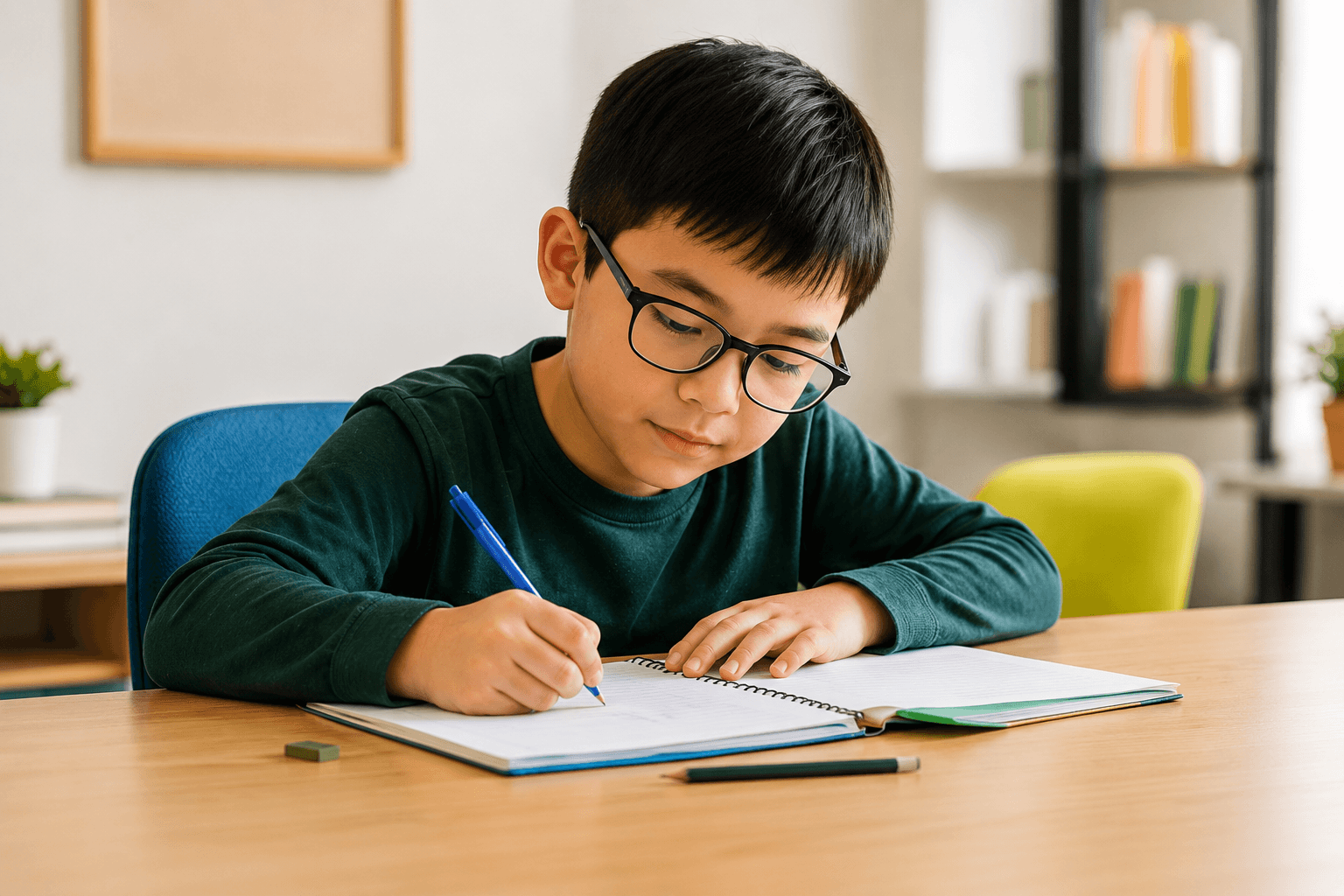
The School-Age Program at Ava's Hub supports children who are building independence at home, in school, and in the community. Through occupational therapy-based activities, children work on executive functioning, handwriting, sensory regulation, daily routines, motor skills, social participation, and confidence in ways that connect directly to real life.
In-Network With
We proudly accept:
What We Work On
Real-life occupational therapy support for school, home, and community participation.
Executive Functioning
Executive functioning includes the thinking skills children use to plan, organize, start tasks, manage time, shift attention, follow routines, and complete activities. These skills are important for schoolwork, homework, morning routines, transitions, and daily independence.
How this may look
Difficulty starting tasks
Messy backpack or desk
Trouble following multi-step directions
Difficulty finishing assignments
Frequent reminders needed
Frustration during transitions
How Ava's Hub helps
Ava's Hub uses visual schedules, routines, planning activities, real-life problem solving, organization tasks, games, and functional challenges to help children build strategies they can use at home, in school, and in daily routines.
Handwriting & School Skills
Handwriting depends on posture, hand strength, visual-motor coordination, attention, spacing, letter formation, and endurance. For many school-age children, handwriting struggles can affect confidence, school participation, and task completion.
How this may look
Messy or hard-to-read writing
Poor spacing or letter reversals
Hand fatigue
Avoiding writing tasks
Difficulty copying from the board
Slow written work
How Ava's Hub helps
We support handwriting through fine motor strengthening, visual-motor activities, grasp development, posture support, multisensory writing practice, writing mechanics, and functional school-based activities that help children feel more confident and successful.
Sensory Regulation
Sensory regulation is the ability to notice, process, and respond to sensory information in a way that supports attention, emotional control, and participation. School-age children may struggle with noise, movement, touch, crowded spaces, transitions, or sitting for extended periods.
How this may look
Constant movement seeking
Difficulty sitting still
Covering ears or avoiding certain textures
Emotional outbursts
Shutting down in busy environments
Difficulty calming after frustration
How Ava's Hub helps
We use movement activities, heavy work, sensory tools, regulation routines, body awareness activities, visual supports, and calming strategies to help children understand what their bodies need and participate more successfully.
Daily Routines & Independence
School-age children are often expected to take on more responsibility for dressing, hygiene, homework, chores, packing bags, managing materials, and following routines. These skills can be difficult when children struggle with sequencing, attention, motor skills, or regulation.
How this may look
Needing repeated reminders
Trouble completing morning routines
Difficulty organizing school materials
Avoiding hygiene tasks
Difficulty following step-by-step routines
Dependence on adults for daily tasks
How Ava's Hub helps
Ava's Hub practices real-life routines using visual supports, sequencing activities, checklists, role play, dressing and grooming practice, organization tasks, and meaningful daily living activities that support independence.
Fine Motor Skills
Fine motor skills continue to be important during school-age years for handwriting, typing, using tools, completing crafts, opening containers, managing clothing fasteners, and participating in classroom activities.
How this may look
Weak grasp
Difficulty cutting
Trouble opening containers
Messy work or hand fatigue
Difficulty manipulating small objects
Avoiding crafts or school tools
How Ava's Hub helps
We use strengthening activities, crafts, tool use, games, cooking activities, school tool practice, bilateral coordination activities, and real-life fine motor tasks to improve hand skills in a meaningful way.
Social Participation & Confidence
School-age children are building friendships, learning teamwork, navigating group activities, and developing self-confidence. Some children may need support understanding social expectations, managing frustration, or participating with peers.
How this may look
Difficulty joining play
Avoiding group activities
Frustration with losing or waiting
Trouble taking turns
Limited confidence
Difficulty expressing needs
Challenges with peer interaction
How Ava's Hub helps
We embed social participation into games, group activities, collaborative problem solving, movement tasks, role play, and real-life routines so children practice confidence and connection in natural ways.
Movement & Coordination
Movement and coordination help children participate in playground activities, sports, physical education, classroom movement, dressing, and daily routines. Some children may struggle with balance, body awareness, strength, motor planning, or coordination.
How this may look
Clumsiness
Avoiding playground equipment
Difficulty with sports or PE
Poor balance
Trouble learning new movements
Low endurance
Difficulty coordinating both sides of the body
How Ava's Hub helps
We use obstacle courses, balance activities, strengthening games, movement challenges, motor planning activities, ball skills, and functional play to help children feel more confident in their bodies.
Who This Program Supports
Struggles with handwriting, spacing, letter formation, or written work
Has difficulty with attention, organization, routines, or transitions
Needs support with sensory regulation or emotional control
Avoids school tasks, homework, crafts, or daily routines
Needs help becoming more independent with self-care or responsibilities
Has trouble joining peer activities or building confidence
Struggles with movement, coordination, body awareness, or motor planning
What Sessions May Look Like
Sessions are designed to connect school-age goals to real-life participation. A child may work through movement activities, handwriting practice, organization tasks, sensory regulation routines, daily living activities, games, problem-solving challenges, social participation activities, and functional routines that support success at home, in school, and in the community.
Handwriting and visual-motor activities
Executive functioning games and planning tasks
Sensory regulation and movement activities
Obstacle courses and coordination challenges
School tool and organization practice
Dressing, hygiene, and daily routine activities
Social games and confidence-building activities
Explore Other Programs
Support grows with your child and adapts as daily life changes.
Kids Program
Ages 3-7
Play-based occupational therapy support for confidence, regulation, motor skills, and early independence.